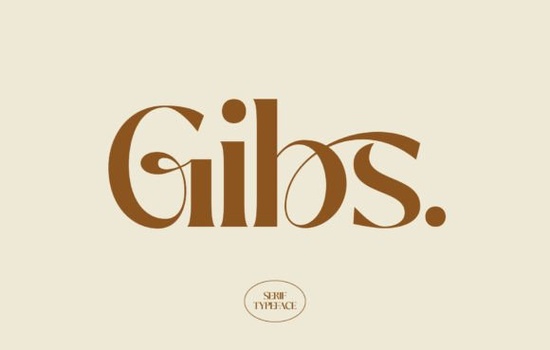
If you're looking for a serif font that feels both timeless and fresh, Gibs Font might be exactly what your next project needs. With its clean lines, subtle serifs, and balanced proportions, Gibs brings a refined elegance to everything from logos to packaging without feeling overly ornate or dated.
Unlike some traditional serifs that can come across as stiff or formal, Gibs strikes a thoughtful balance. It’s designed with enough character to stand out, yet restrained enough to remain highly readable in both print and digital formats. That makes it especially useful for small businesses crafting brand identities, designers working on editorial layouts, or even crafters creating custom wedding invitations.
What kinds of projects work best with Gibs Font?
Gibs shines where sophistication matters. Think luxury product labels, boutique storefront signage, high-end fashion lookbooks, or premium service websites. Its letterforms carry a quiet confidence ideal when you want your message to feel polished but not pretentious.
Here are a few real-world uses where Gibs adds noticeable value:
- Branding for lifestyle or wellness businesses – Its graceful curves complement organic, calming aesthetics.
- Book covers and magazine headlines – Offers visual weight without overwhelming the layout.
- Custom stationery and greeting cards – Especially effective for formal occasions like weddings or anniversaries.
- Print-on-demand merchandise – Looks sharp on mugs, tote bags, or apparel when used for short, impactful phrases.
How does Gibs compare to other serif fonts?
Not all serifs are created equal. Some lean heavily into vintage charm (like Dream to Berich), while others embrace minimalism with ultra-thin strokes. Gibs sits comfortably in the middle it’s modern enough for contemporary design but retains enough classic structure to feel trustworthy.
For example, if you’ve considered Ronsa, you’ll notice it has more dramatic contrast and sharper terminals. Gibs, by comparison, offers smoother transitions and a gentler presence better suited for projects that need warmth rather than boldness.
Similarly, while Sparky Dream leans playful with its quirky details, Gibs maintains consistency and neutrality, making it more versatile across professional contexts. And unlike some display serifs that only work at large sizes, Gibs remains legible even in smaller body text though it truly excels as a headline or accent font.
Tips for pairing Gibs with other typefaces
Because Gibs already carries a strong personality, pair it with neutral sans-serifs to avoid visual competition. Fonts like Helvetica Neue, Montserrat, or even system defaults like Arial work well for supporting text.
Avoid pairing it with another high-contrast serif this can create clutter rather than harmony. Instead, let Gibs be the focal point. Use it for headings, names, or key messages, and keep secondary text simple and unobtrusive.
If you’re designing something like a product label or business card, try using Gibs just for the brand name or tagline, and a clean sans-serif for contact info or descriptions. This contrast creates hierarchy while keeping the overall look cohesive.
Where to use Gibs responsibly
While Gibs is versatile, it’s not ideal for every scenario. Avoid using it in:
- Technical documents or user interfaces where clarity trumps style
- Long-form web articles (stick to proven web-safe fonts for body copy)
- Projects targeting very young audiences it reads as mature and refined
Also, remember to check licensing if you plan to use Gibs in commercial products (like POD items). Most Creative Fabrica fonts include a commercial-use license, but always verify the specific terms for your intended use case.
And if you’re exploring alternatives within the same aesthetic family, take a look at other elegant serif options that share Gibs’ balance of tradition and modernity but each with its own unique rhythm and flair.
Before you download Gibs Font, ask yourself:
- Is my project aiming for a tone of understated luxury or refined simplicity?
- Will this font be used primarily for headlines, logos, or short phrases?
- Do I have a clean, complementary sans-serif ready for supporting text?
- Have I confirmed the license covers my intended commercial use?
If you answered “yes” to most of these, Gibs is likely a smart, stylish choice that will serve your creative goals without overcomplicating your workflow.
Get Started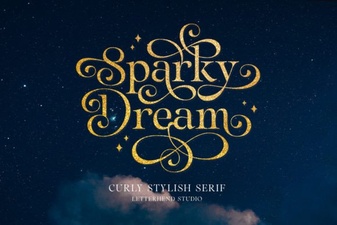 Sparky Dream Font: a Creative Handwriting Resource
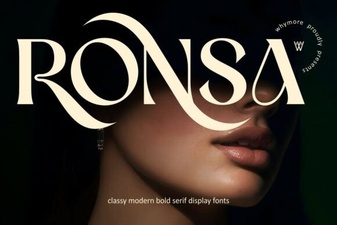 Ronsa Font: Modern Designs & Creative Usability
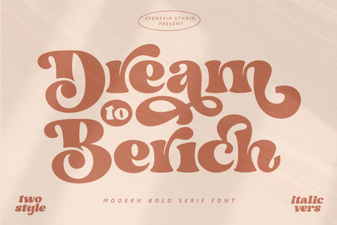 Dream to Berich Fonts for Creative Projects
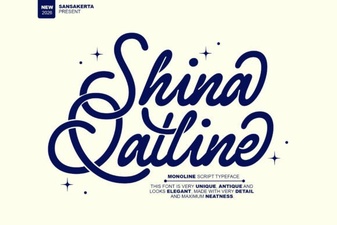 Shina Qatline Font for Modern, Artistic Projects
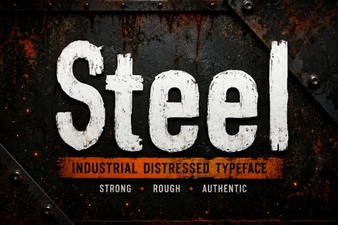 Crafting Projects with Steel Typography Designs
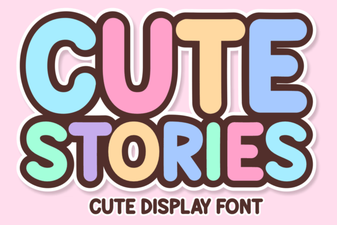 Fonts for Creative Storytelling Projects